
 By Happy Paws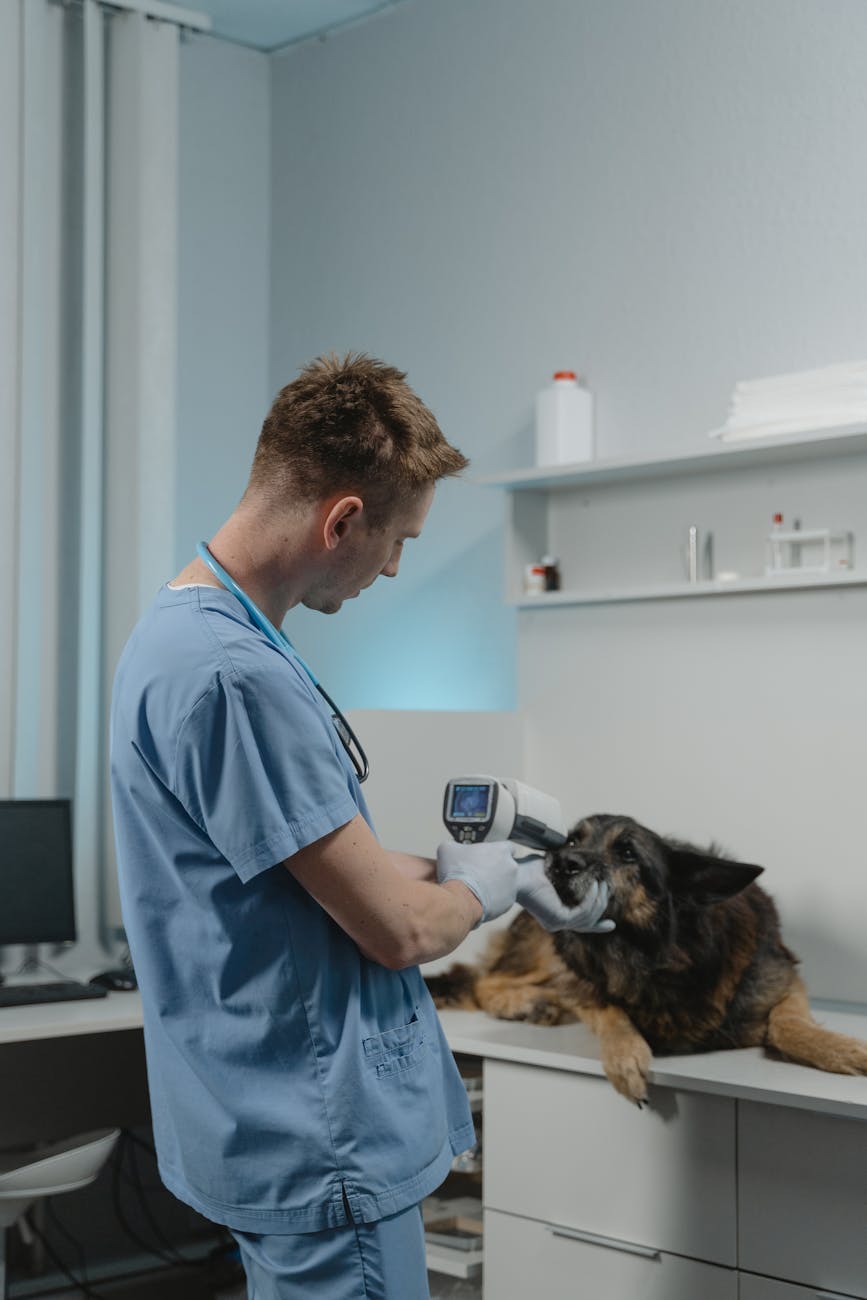
Bringing your new puppy or kitten home is an exciting milestone, but one of your first priorities should be scheduling their initial veterinary appointment. This crucial first visit establishes the foundation for your pet’s lifelong health and creates a baseline for future care. Whether you’re a first-time pet parent or simply want to ensure you’re fully prepared, this comprehensive checklist will guide you through everything you need to know.
When to Schedule the First Vet Visit
Timing Is Critical
Schedule your puppy or kitten’s first veterinary appointment within 2-3 days of bringing them home. For puppies, the ideal age range is 6-8 weeks old, while kittens should also be seen around 6-8 weeks of age. Don’t delay this appointment – early detection of health issues is crucial for young animals with developing immune systems.
Emergency Situations Require Immediate Attention
If your new pet shows any signs of illness, don’t wait for a scheduled appointment. Contact your veterinarian immediately if you notice:
- Difficulty breathing or labored breathing
- Watery or discharge from eyes
- Persistent sneezing or coughing
- Inability to eat or drink
- Vomiting or diarrhea
- Lethargy or unresponsiveness
Essential Items to Bring
Documentation and Records
Gather all available paperwork before your appointment:
- Adoption papers or breeder documentation with medical history
- Previous vaccination records showing dates and types of vaccines administered
- Any medical treatments already received (deworming, medications)
- Microchip information if already implanted
- Registration papers if applicable
Transportation Safety
Secure carrier or crate is essential for safe transport. For puppies, use an appropriately sized crate with familiar bedding that smells like home. For kittens, ensure the carrier is escape-proof and comfortable. Never attempt to carry a loose puppy or kitten – they can become frightened and escape or injure themselves.
Consider using calming aids like Feliway pheromone spray for cats or familiar blankets to reduce stress.
Biological Samples
Fresh stool sample is one of the most important items to bring. Collect the freshest sample possible (ideally within 12 hours of the appointment) in a clean container or plastic bag. This allows your veterinarian to test for intestinal parasites immediately.
Comfort and Behavior Management
Pack these items to help your pet feel secure:
- Small, high-value treats for positive reinforcement during the exam
- Favorite toy or comfort item for distraction and stress relief
- Collar and leash (for puppies) – never rely on carrying them loose
- List of questions and concerns written down so you don’t forget important topics
What to Expect During the Examination
Comprehensive Physical Assessment
Your veterinarian will perform a thorough “nose-to-tail” examination:
Basic Vital Signs:
- Weight measurement and body condition scoring
- Temperature, heart rate, and respiratory rate assessment
- Overall mobility and behavior observation
Detailed Physical Exam:
- Eye examination checking for discharge, cloudiness, or abnormalities
- Ear inspection for mites, infection, or wax buildup
- Mouth and teeth evaluation assessing dental development and health
- Skin and coat assessment looking for parasites, irritation, or abnormalities
- Abdominal palpation to feel internal organs and check for abnormalities
- Heart and lung examination using a stethoscope to detect murmurs or irregular sounds
- Lymph node assessment checking for swelling or abnormalities
- Genital and rectal examination ensuring proper development
Laboratory Testing
Your veterinarian may recommend several diagnostic tests:
- Fecal examination for intestinal parasites (roundworms, hookworms, giardia)
- Blood tests for older puppies (6+ months) to check for heartworm disease
- FIV/FeLV testing for kittens to screen for feline immunodeficiency virus and leukemia
Vaccination Schedule and Timeline
Understanding Core Vaccines
Core vaccines protect against serious, life-threatening diseases and are recommended for all puppies and kittens.
Puppy Vaccination Schedule:
- 6-8 weeks: First DHPP vaccine (Distemper, Hepatitis, Parvovirus, Parainfluenza)
- 10-12 weeks: Second DHPP vaccine + optional Bordetella (kennel cough)
- 14-16 weeks: Final DHPP vaccine + Rabies vaccine
- 12-16 weeks: Leptospirosis and Lyme vaccines based on lifestyle risk
Kitten Vaccination Schedule:
- 8 weeks: First FVRCP vaccine (Feline Viral Rhinotracheitis, Calicivirus, Panleukopenia)
- 12 weeks: Second FVRCP vaccine + FeLV (Feline Leukemia) + Rabies vaccine
- 16 weeks: Final FVRCP vaccine + second FeLV if needed
Important Timing Considerations
Vaccines must be administered within specific timeframes – typically every 2-4 weeks until 16 weeks of age. Missing appointments by more than a week may require restarting the vaccine series.
Essential Questions to Ask Your Veterinarian
Nutrition and Feeding
- What food should I feed my puppy/kitten and how much?
- When should I transition from puppy/kitten food to adult food?
- Are there foods or treats I should avoid?
- How often should I feed my pet at this age?
Health and Preventive Care
- What parasite prevention do you recommend for my area?
- When should I schedule spaying or neutering?
- What signs of illness should I watch for?
- How often should my pet come in for checkups?
Training and Behavior
- When can I start socializing my puppy safely?
- What training should I begin immediately?
- How much exercise is appropriate for my pet’s age?
- What behavioral concerns should I watch for?
Safety and Care
- When can my puppy go outside safely?
- How do I properly care for my pet’s teeth?
- What grooming needs does my pet have?
- How do I prepare for emergencies?
Understanding the Costs
Typical First Visit Expenses
First vet visit costs vary by location but generally range from $40-120 for kittens and $75-150 for puppies. This typically includes:
- Physical examination fee: $55-85
- Basic vaccinations: $75-120
- Fecal examination: $25-50
- Additional tests if needed: $50-200
Planning for Ongoing Costs
Consider these upcoming expenses in your budget:
- Booster vaccinations every 3-4 weeks until 16 weeks old
- Spay/neuter surgery typically at 6 months: $200-500+
- Monthly parasite prevention: $20-60 monthly
- Microchipping if not already done: $25-50
Product Recommendations for New Pet Parents
Transportation Essentials
- Petmate Sky Kennel or similar airline-approved carriers for safe transport
- Sherpa Travel Carrier for smaller pets with comfortable ventilation
- Comfort Zone Calming Diffuser with pheromones to reduce travel stress
Health Monitoring Tools
- Digital pet scale to track weight gain in growing pets
- Pet thermometer for monitoring health at home
- First aid kit specifically designed for pets
Training and Comfort Supplies
- Kong Puppy Toys appropriate for teething and mental stimulation
- Feather wand toys for kittens to encourage natural hunting behaviors
- Training treats in small, soft pieces perfect for reward-based training
Preparing for Future Visits
Building Positive Associations
Make veterinary visits less stressful by:
- Familiarizing your pet with their carrier at home before appointments
- Practicing handling exercises like touching paws, ears, and mouth
- Using high-value treats during and after vet visits
- Keeping visits short and positive when possible
Establishing a Health Care Routine
- Schedule follow-up appointments before leaving the clinic
- Set up automatic reminders for vaccinations and checkups
- Keep detailed health records including vaccination dates and any concerns
- Research emergency veterinary services in your area
Red Flags: When to Call Your Vet Between Visits
Contact your veterinarian immediately if you notice:
- Sudden behavior changes like hiding, aggression, or lethargy
- Loss of appetite for more than 24 hours
- Vomiting or diarrhea especially if persistent or containing blood
- Difficulty urinating or defecating
- Signs of pain such as whining, panting, or reluctance to move
- Any concerning symptoms that worry you as a pet parent
Special Considerations for Different Ages
Very Young Pets (Under 8 Weeks)
If you have an unusually young pet, your veterinarian will need to assess:
- Nutritional and hydration status more carefully
- Body temperature regulation capabilities
- Feeding requirements which may include bottle feeding
- Special handling needs due to fragile immune systems
Older Adopted Pets
Adult dogs and cats need slightly different approaches:
- Complete health history review if available
- Baseline blood work to assess organ function
- Dental examination for existing problems
- Behavior assessment for any previous trauma or training needs
Creating a Lifelong Health Partnership
Your puppy or kitten’s first veterinary visit is more than just a health check – it’s the beginning of a partnership that will span your pet’s entire life. This appointment establishes trust between you, your pet, and your veterinary team while creating the foundation for preventive care that can add years to your pet’s life.
Remember that preparation is key. Gathering the right documentation, bringing necessary supplies, and having your questions ready ensures you make the most of this important appointment. Don’t hesitate to ask questions or voice concerns – your veterinarian is there to help you navigate pet parenthood successfully.
The investment you make in your pet’s first veterinary visit pays dividends throughout their lifetime. From establishing vaccination schedules to catching potential problems early, this initial examination sets your furry family member up for a healthy, happy life by your side.
Most importantly, trust your instincts as a pet parent. If something seems wrong between scheduled visits, don’t hesitate to call your veterinary team. They’re your partners in ensuring your new puppy or kitten thrives in their forever home.
Sources:
- https://www.westchestervetmedcenter.com/site/blog/2024/02/15/kittens-first-vet-visit-checklist
- https://www.chewy.com/education/dog/new-dog/what-to-expect-at-puppys-first-vet-visit
- https://thevets.com/resources/pet-health-care/kitten-first-vet-visit/
- https://www.tumwaterveterinary.com/site/blog/2024/01/15/puppy-first-vet-visit
- https://www.gentledranimalhospital.com/site/blog/2024/06/21/kitten-first-vet
- https://www.animal-general.com/site/blog/2024/05/30/kitten-first-vet-visit
- https://www.roundwoodvets.co.uk/single-post/your-kittens-first-vet-visit
- https://www.mcqueenanimalhospital.com/first-vet-visit-a-guide-for-new-pet-owners/
- https://www.riversideveterinarytx.com/site/blog/2024/08/15/kittens-first-vet-visit
- https://www.greensboroncvet.com/site/friendly-animal-clinic-blog/2024/01/15/puppy-vet-visit-checklist
- https://www.carlsbadanimalhospital.com/site/blog/2023/12/22/puppy-first-vet-visit
- https://www.thepethospitalsms.com/site/blog/2024/06/22/kittens-first-vet-visit-checklist
- https://www.quailhollowvet.com/site/blog/2024/04/15/puppy-first-vet-visit
- https://pmc.ncbi.nlm.nih.gov/articles/PMC10832672/
- https://texasforthem.org/your-kittens-first-vet-visit-tcap-checklist/
- https://www.westfieldanimal.com/site/blog/2024/05/15/puppy-first-vet-visit
- https://onlinelibrary.wiley.com/doi/10.1111/j.1748-5827.2007.00462.x
- https://pmc.ncbi.nlm.nih.gov/articles/PMC7166871/
- https://www.smalldoorvet.com/learning-center/wellness/cat-kitten-vaccine-schedules
- https://www.vetcoclinics.com/resource-center/dog-vaccinations/
- https://www.gardensanimalhospital.com/vaccination-schedule-for-puppies-and-kittens-what-you-need-to-know/
- https://www.aspcapetinsurance.com/resources/pets-first-vet-visit/
- https://www.kinship.com/uk/dog-health/first-vet-visit
- https://www.toorakrdvetclinic.com.au/questions-to-ask-your-vet-next-visit/
- https://www.rspca.org.uk/adviceandwelfare/pets/dogs/health/vaccinations
- https://hastingsvet.com/so-youre-a-new-pet-owner-and-found-a-vetwhats-next/
- https://www.amcofcumming.com/site/blog/2024/04/23/kitten-first-visit-checklist
- https://www.gtahvet.com/blog/3-questions-to-ask-when-choosing-a-new-vets-office
- https://pmc.ncbi.nlm.nih.gov/articles/PMC6463778/
- https://pmc.ncbi.nlm.nih.gov/articles/PMC3923487/
- https://pmc.ncbi.nlm.nih.gov/articles/PMC5819048/
- https://www.semanticscholar.org/paper/baeb2fba5f14ead6da1cc19e5afb20800bc5b809
- https://bvajournals.onlinelibrary.wiley.com/doi/10.1136/inp.m4473
- https://www.semanticscholar.org/paper/bdd80b423855521ed40910c88f223a49d151d10c
- https://bvajournals.onlinelibrary.wiley.com/doi/10.1136/vr.i4957
- https://www.semanticscholar.org/paper/1826ab9fe6c1ef7a3eb074963c927477171c2fd5
- http://www.magonlinelibrary.com/doi/10.12968/vetn.2012.3.8.502
- https://www.semanticscholar.org/paper/f9fe0aa2c416e1ceb11a62acccfba2db3a762b74
- https://www.acpjournals.org/doi/10.7326/0003-4819-130-1-199901050-00015
- https://www.semanticscholar.org/paper/ade0acab02881d4535b67246c050d0d44a6576c4
- https://www.semanticscholar.org/paper/d9d71c4944ce9d2adcdcdc585c5c66e74aafc7f4
- https://www.mdpi.com/2076-2615/12/23/3426/pdf?version=1670243397
- https://pmc.ncbi.nlm.nih.gov/articles/PMC9739440/
- https://pmc.ncbi.nlm.nih.gov/articles/PMC4251166/
- https://pmc.ncbi.nlm.nih.gov/articles/PMC10812130/
- https://pmc.ncbi.nlm.nih.gov/articles/PMC11640698/
- https://pmc.ncbi.nlm.nih.gov/articles/PMC10845473/
- https://www.frontiersin.org/articles/10.3389/fvets.2018.00151/pdf
- https://pmc.ncbi.nlm.nih.gov/articles/PMC10845437/
- https://pmc.ncbi.nlm.nih.gov/articles/PMC10845442/
- https://pmc.ncbi.nlm.nih.gov/articles/PMC11132257/
- https://www.cedaranimalmedicalcenter.com/site/blog/2024/04/15/puppy-first-vet-visit
- https://www.broadstreetvet.com/site/blog/2023/03/15/puppys-first-vet-visit-checklist–what-to-expect
- https://www.petmd.com/dog/general-health/how-to-prepare-for-puppy-first-vet-exam
- https://pmc.ncbi.nlm.nih.gov/articles/PMC7348620/
- https://pmc.ncbi.nlm.nih.gov/articles/PMC11110975/
- https://pmc.ncbi.nlm.nih.gov/articles/PMC7348618/
- https://pmc.ncbi.nlm.nih.gov/articles/PMC7167131/
- https://pmc.ncbi.nlm.nih.gov/articles/PMC7114856/
- https://pmc.ncbi.nlm.nih.gov/articles/PMC11135664/
- https://www.mdpi.com/2076-393X/9/2/92/pdf
- https://pmc.ncbi.nlm.nih.gov/articles/PMC7114826/
- https://pmc.ncbi.nlm.nih.gov/articles/PMC7166872/
- https://pmc.ncbi.nlm.nih.gov/articles/PMC11148971/
- https://pmc.ncbi.nlm.nih.gov/articles/PMC11418612/
- https://pmc.ncbi.nlm.nih.gov/articles/PMC7910975/
- https://pmc.ncbi.nlm.nih.gov/articles/PMC10822197/
- https://pmc.ncbi.nlm.nih.gov/articles/PMC10822628/
- https://pmc.ncbi.nlm.nih.gov/articles/PMC7155547/
- https://pmc.ncbi.nlm.nih.gov/articles/PMC4083078/
- https://pmc.ncbi.nlm.nih.gov/articles/PMC7152223/
- https://pmc.ncbi.nlm.nih.gov/articles/PMC11104124/
- https://www.springhouseanimalhospital.com/site/blog/2023/02/15/puppy-first-vet-visit
- https://wsava.org/wp-content/uploads/2020/01/WSAVA-Vaccination-Guidelines-2015.pdf
- https://pmc.ncbi.nlm.nih.gov/articles/PMC7156130/
- https://pmc.ncbi.nlm.nih.gov/articles/PMC11292583/
- https://pmc.ncbi.nlm.nih.gov/articles/PMC6820084/
- https://pmc.ncbi.nlm.nih.gov/articles/PMC4751778/
- https://www.frontiersin.org/articles/10.3389/fvets.2025.1544996/full
- https://www.tartarshield.com/blogs/health/what-to-expect-at-your-new-pets-first-vet-appointment
- https://www.thekennelclub.org.uk/health-and-dog-care/health/health-and-care/a-z-of-health-and-care-issues/your-puppys-first-visit-to-the-vet/
- https://www.madisonparkvet.com/site/blog/2024/03/15/kitten-first-vet-visit-cost
- https://www.eoah.com/site/blog/2024/03/15/puppys-first-vet-visit-checklist–what-to-expect